How the AllWaves system works
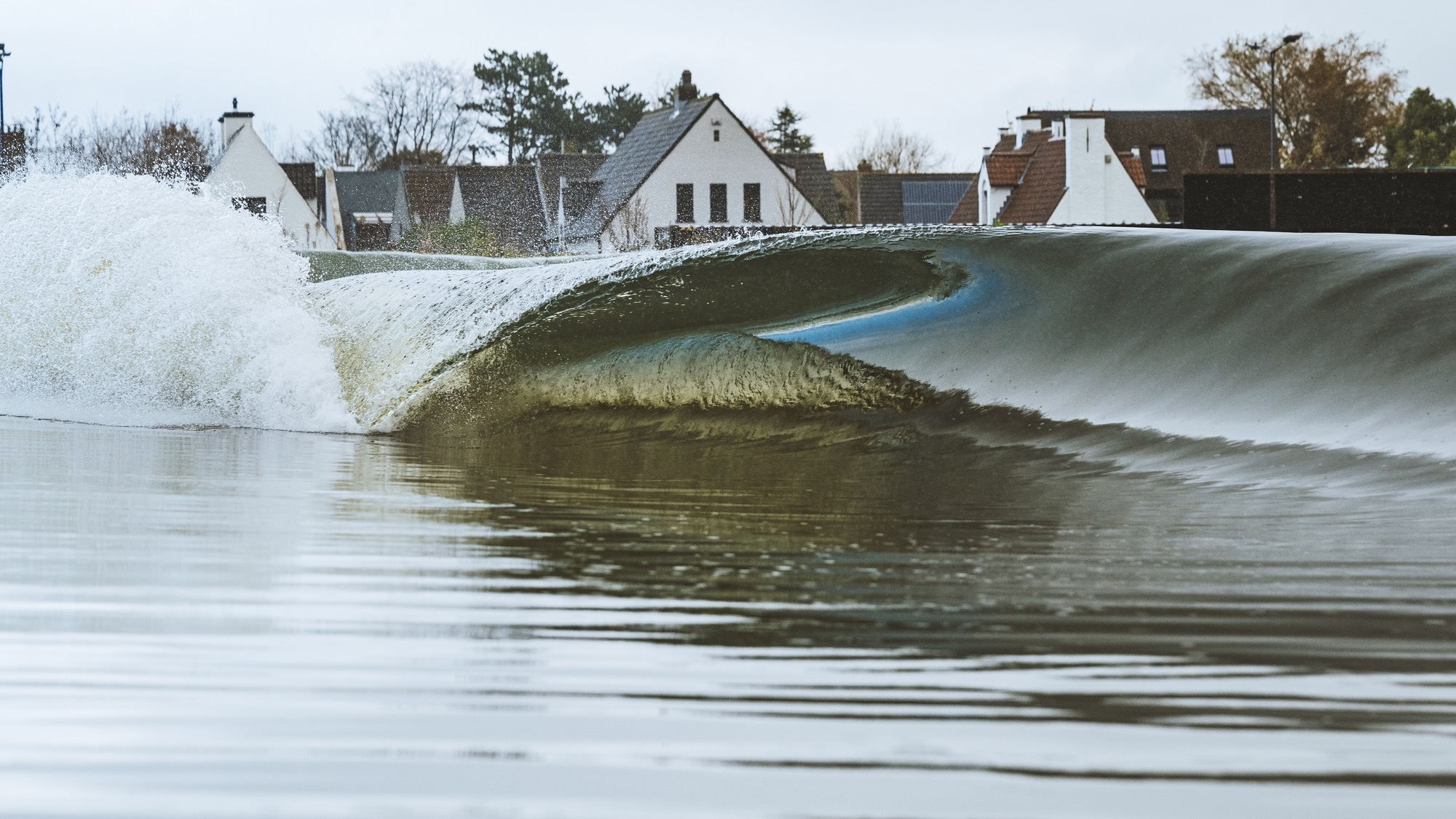
AllWaves uses an underwater textile system powered by exterior hydraulics. They call this machine the “wavemaker.” When the wavemaker pushes out waves they break along a reef on each side of the pool. This creates right and left point break waves down the length of the pool. A second reef is situated at the front of the main pool. It’s an A-frame reef and offers another two surf rides, this time along the width of the pool. This means that on every single wave generated, four surfers can enjoy a ride: two on the point (right and left, lengthways) and two on the A frame reef (right and left, widthways).
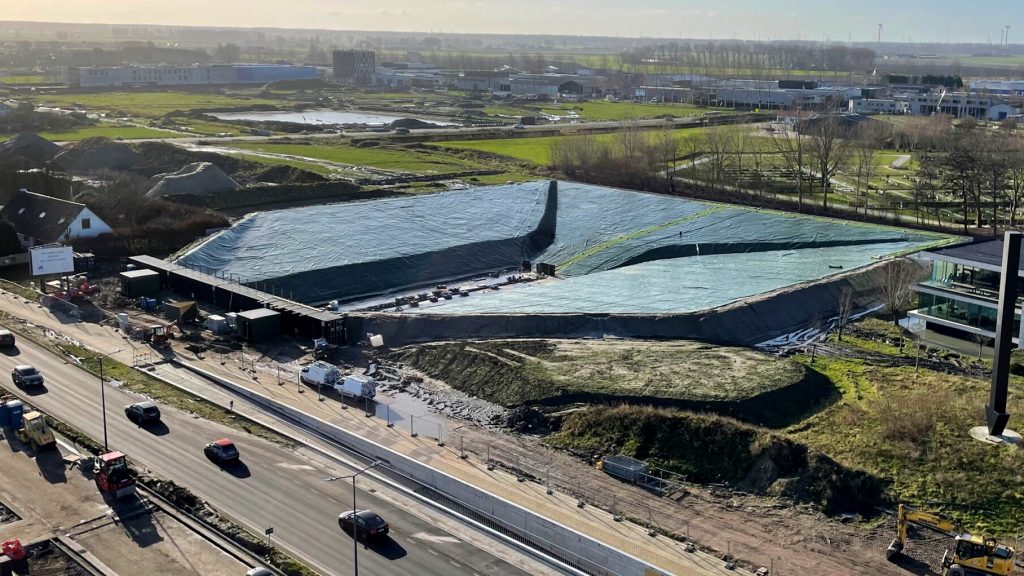
The heart of the technology is a high-tech textile pillow submerged in the centre of the pool. It is a soft structure without grids, nets, ropes, or other components – the membrane can be best compared to a bouncy castle but filled with water. Each section of the membrane can be adjusted to pull or push water. It’s these actions that create swell at the water’s surface. The hydraulic power system is in a dedicated room outside of the pool and can be maintained just like an ordinary hydraulic installation. AllWaves says that there are just a few parts under the membrane used to manipulate the textile.
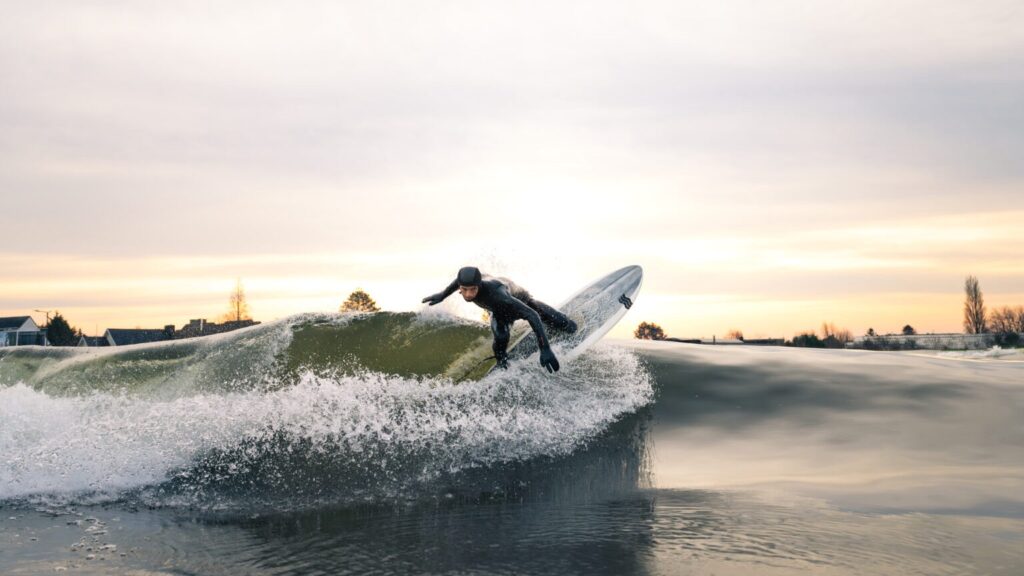
The makers claim the system can vary not only waves but also the parts of the wave. For each setting, the face, pocket, lip, and the white water can be programmed by the company’s software’s algorithm. Wave production is constant with no lulls and a wave produced each seven seconds, so 500 waves per hour. Each wave can accomodate four surfers – two on the point and two on the reef each going left and right. AllWaves says this translates to 2000 rides per hour.
“AllWaves is able to deliver a previously unseen diversity of wave types in our wavepools. From easy crumbling lips and clean open faces for easy turns and wide cutbacks for beginner & intermediate surfers. To large, heavy barrels and sections primed for big airs ideal for advanced & expert surfers.”
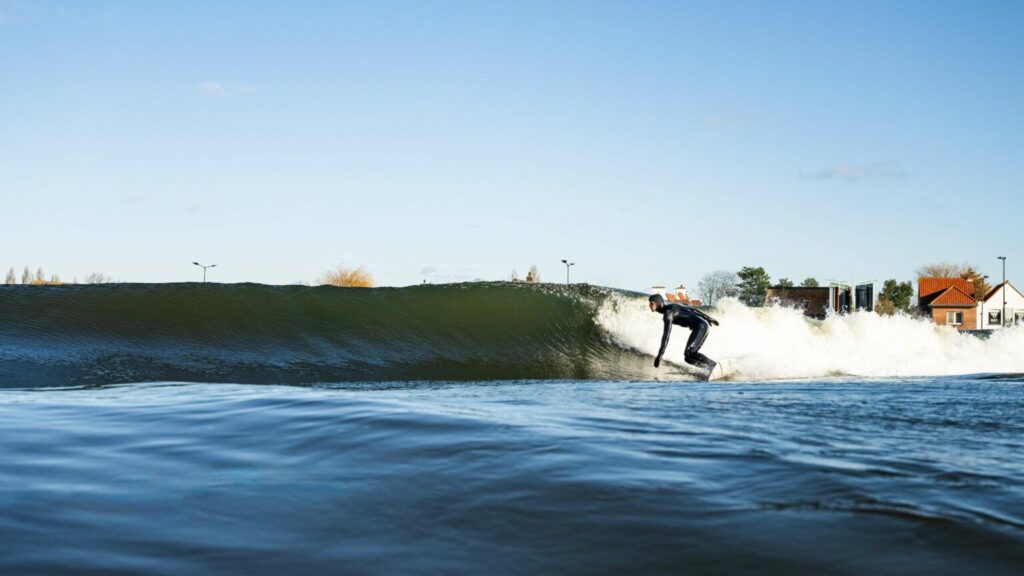
Currently, the prototype is firing out test waves in Knokke-Heist, Belgium. Stay tuned…
Related Coverage
